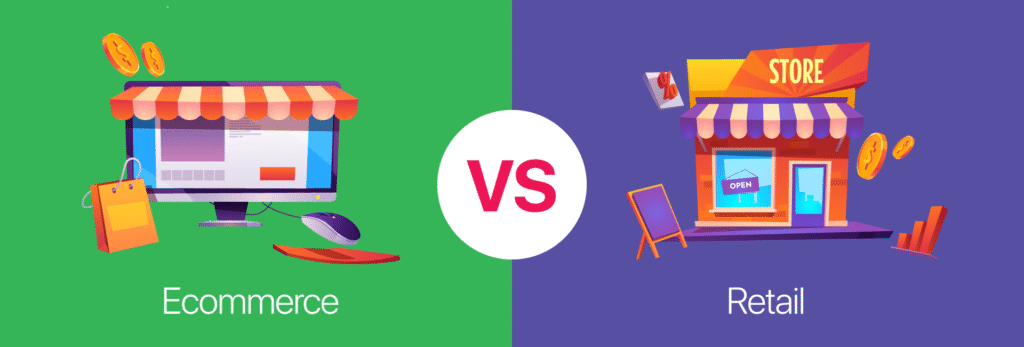
The global retail landscape is undergoing a seismic shift. E-commerce, once a novel convenience, has exploded into a dominant force, fundamentally changing how we buy and sell. But what is the actual e-commerce market share, and does this digital revolution truly threaten the existence of traditional brick-and-mortar stores? This article delves into the data and trends to provide a clear answer.
What is the Current E-Commerce Market Share?
Recent statistics reveal a story of relentless growth. The global e-commerce market share has climbed from approximately 14% of total retail sales in 2019 to surpassing 22% in 2023. Industry forecasts project this figure to reach nearly 27% by 2026, highlighting an irreversible trend.
This growth is not uniform across the globe:
China leads the world, with e-commerce comprising a staggering 52% of its retail sales.
The United Kingdom follows with a 36% penetration rate.
The United States shows a strong 24% share of retail sales occurring online.
In the Middle East, nations like Saudi Arabia and the UAE are witnessing the most rapid adoption rates.
How E-Commerce Competes with Traditional Retail
The short answer is yes, e-commerce is a formidable competitor, and it outperforms traditional retail in several key areas:
1. Unmatched Convenience and 24/7 Accessibility
The ability to shop from anywhere, at any time, is e-commerce’s cardinal advantage. This eliminates geographical constraints and fits seamlessly into modern, busy lifestyles.
2. Broader Selection and Competitive Pricing
Online platforms are not limited by physical shelf space, allowing for a vastly wider inventory. Reduced overhead costs often translate into more competitive pricing for consumers.
3. Data-Driven Personalization
Powered by AI and machine learning, e-commerce sites offer personalized product recommendations, creating a tailored shopping experience that physical stores struggle to replicate.
4. Resilience and Adaptability
The COVID-19 pandemic was a ultimate test. E-commerce proved its resilience as a critical channel, while many traditional stores faced immense challenges, accelerating the shift online.
The Enduring Strengths of Traditional Retail
Despite the digital surge, traditional stores are far from obsolete. They retain crucial advantages that define their role in a blended future:
Tangible Experience: The ability to see, touch, try on, and immediately take home a product is irreplaceable, especially for categories like apparel, luxury goods, and furniture.
Instant Gratification: There is no shipping wait. Customers get their products immediately after purchase.
Personalized Human Interaction: Face-to-face service from knowledgeable staff builds trust and brand loyalty that automated systems cannot fully emulate.
The Future is Omnichannel
The narrative isn’t about e-commerce vs. traditional retail anymore. The true winner is an omnichannel strategy that blends the best of both worlds. Successful retailers are integrating channels through services like:
Buy Online, Pick Up In-Store (BOPIS)
In-store returns for online purchases
Digital kiosks and interactive experiences inside physical stores
Conclusion: Collaboration Over Competition
E-commerce’s market share will undoubtedly continue to grow. However, the future of retail is not a zero-sum game. Traditional retail will thrive not by resisting digital change but by adapting and integrating it. The most successful businesses will be those that offer a seamless omnichannel experience, leveraging the convenience of online shopping with the tactile, personal benefits of a physical store.